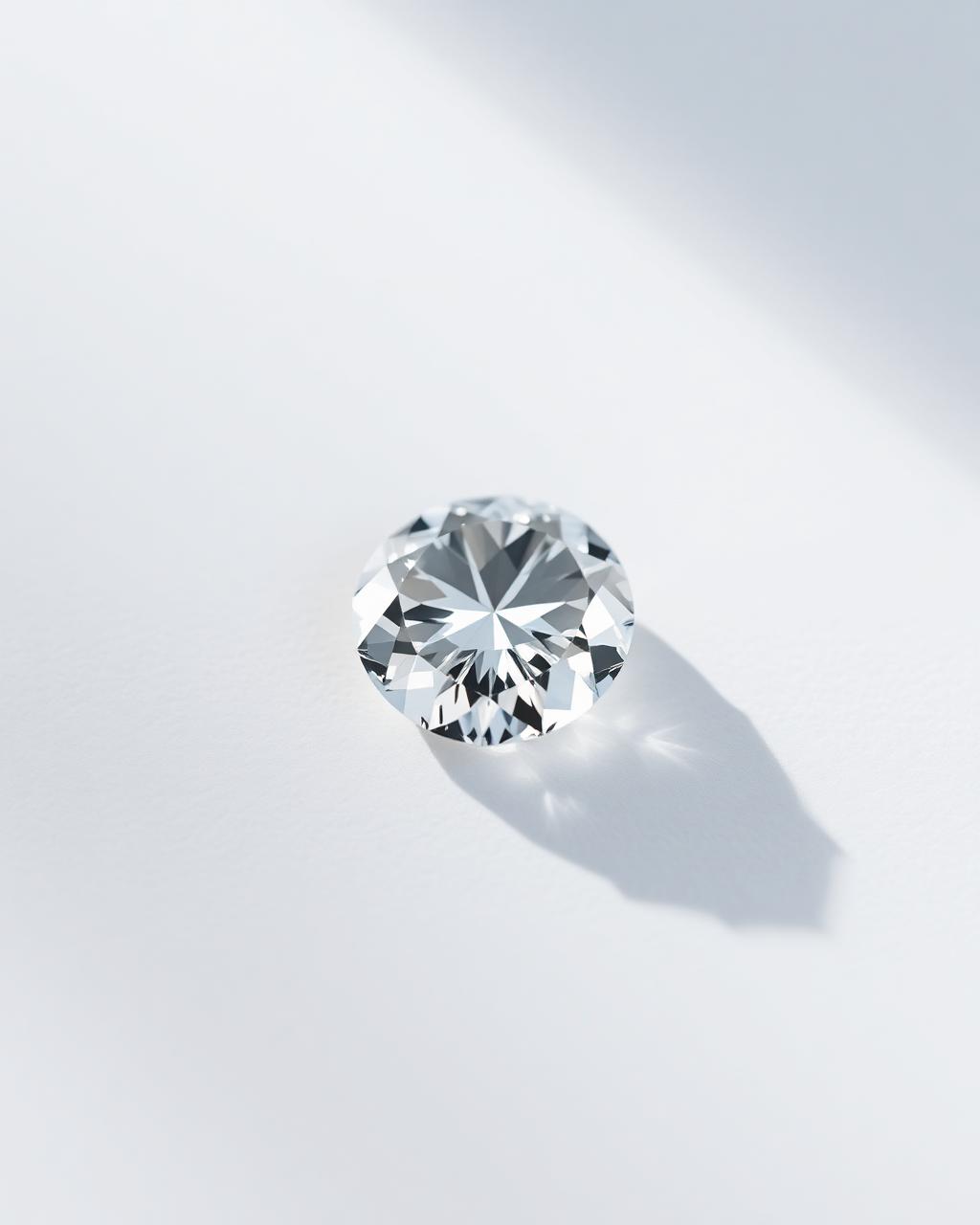
A Guide to Diamond Color.
“The finest diamonds carry no color at all — only the pure return of light, as if drawn from winter air.”
A diamond's color is graded on a scale established by the Gemological Institute of America — from D (entirely colorless) to Z (a noticeable warmth). The distinctions are subtle, often discernible only under controlled lighting against a comparison master set.
Yet even the slightest presence of color changes how a stone receives and returns light — and informs its rarity, its quiet brilliance, and the way it lives upon the hand.
A spectrum of light, from colorless to warm.
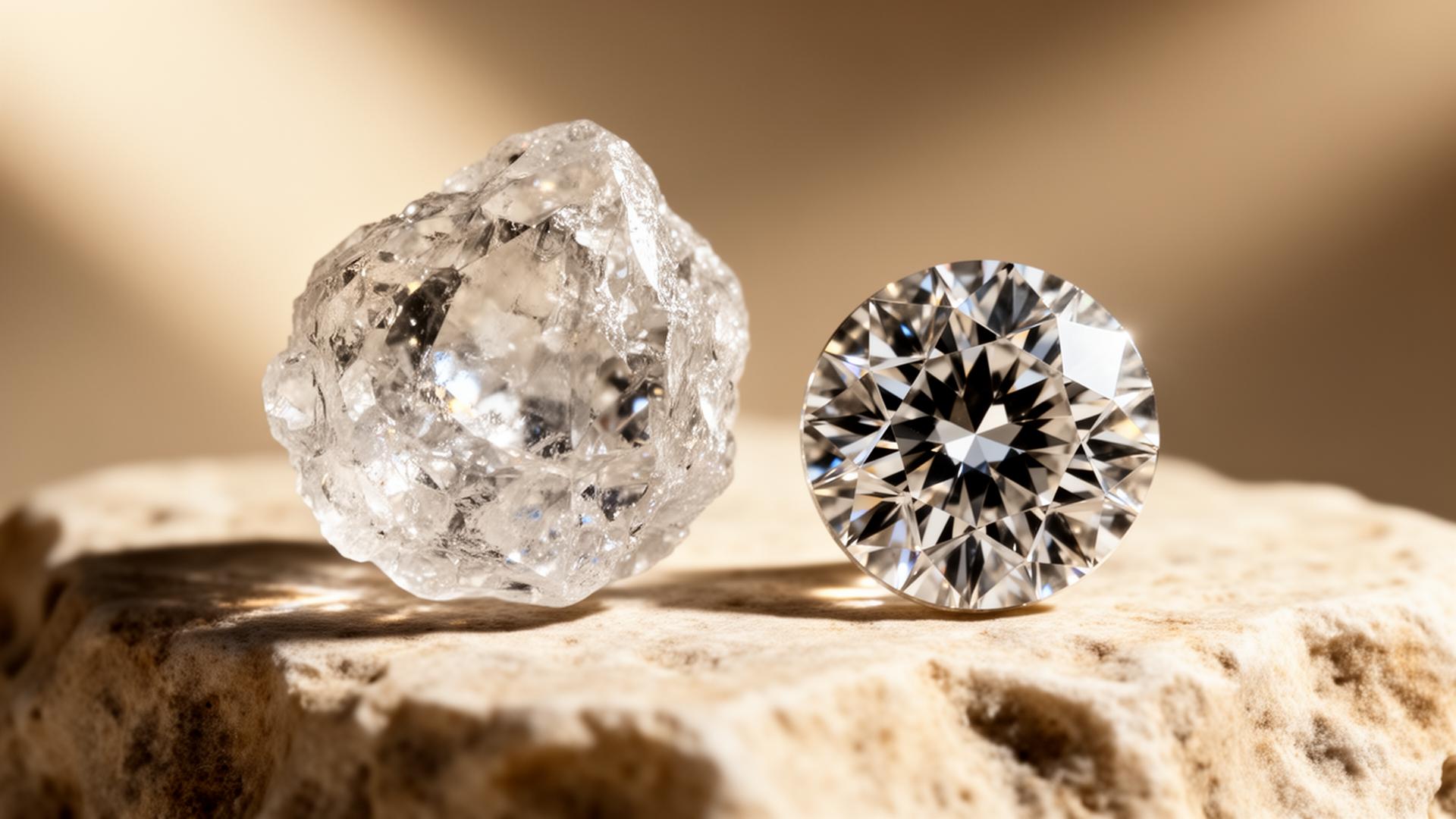
From D to G — the colorless register.
The brightest diamonds give nothing back but light.
Most Giuliana diamonds fall within the D to G range — colorless or near-colorless, prized for their brightness and rarity. Select stones in the H and I range are also offered, each chosen for its exceptional light performance.
Color is considered alongside the metal that will frame the stone. A warmer grade may find its purest expression set in yellow gold — a colorless diamond, in platinum.
Color, in context.
Setting Metal
Platinum and white gold reveal a diamond's color; yellow gold quietly warms it.
Shape
Step cuts such as the emerald may show color more readily than brilliant cuts.
Size
Color becomes more visible as a stone grows in carat weight.
Light, in its purest form.
Arrange a private appointment with a Giuliana adviser to view diamonds across the colorless register, selected for brightness and quiet character.